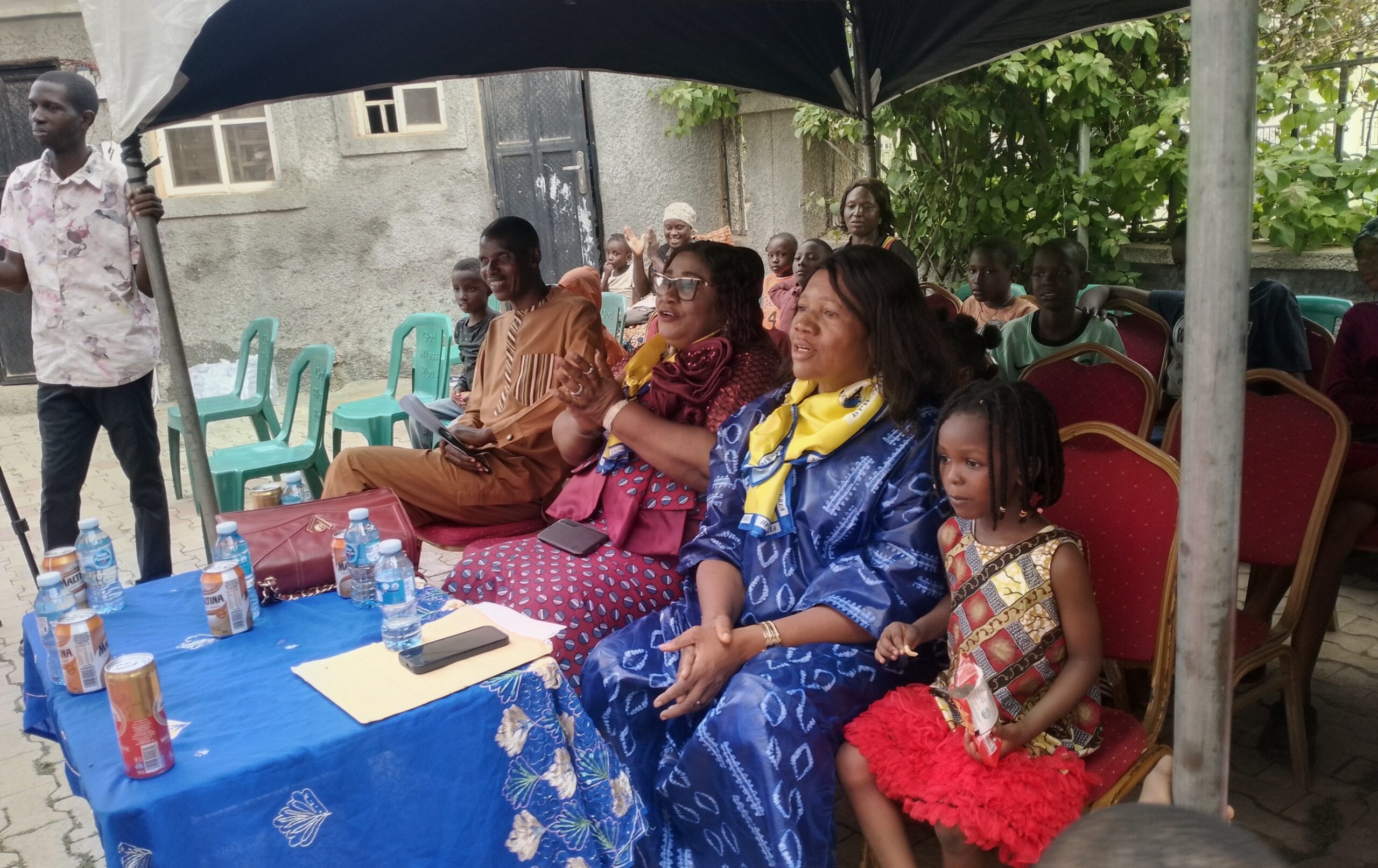
Laughter, songs, and bright young faces filled the venue in Abuja on Monday as children gathered to mark the 2026 International Day of the African Child. But beneath the lively atmosphere was a sobering message, millions of African children still lack access to clean water, proper sanitation, and basic hygiene.
In commemoration of the day, the Fatherless and Motherless Children Aid Organisation (FACADO), in collaboration with the Cosmopolitan Club of the Business and Professional Women (BPW) Nigeria, called for urgent and collective action to ensure universal access to water, sanitation, and hygiene (WASH) for every child across the continent.
This year’s theme, “Ensuring universal access to water, sanitation, and hygiene (WASH) for every child in Africa,” served as both a reminder and a call to action for governments, stakeholders, and communities.
For Amb. Anih Ngozi Grace George, Founder of FACADO, the issue goes beyond water, it is about the fundamental rights of every child. Speaking passionately, she painted a stark picture of the realities many Nigerian children face.
“Education is supposed to be the right of every child, but it is not fully accessible in Nigeria,” she said. “We have seen children drop out of school because of small fees. This shows that education is not truly free.”
Drawing from years of experience working with vulnerable children, George explained how something as seemingly minor as a PTA levy can keep a child out of school, especially for orphans and those from disadvantaged backgrounds.
She stressed that access to clean water, education, and healthcare are deeply interconnected, warning that without these essentials, children are denied the opportunity to thrive.
Her reflections also turned to history—the 1976 Soweto uprising in South Africa, where thousands of school children marched against an unjust education system. Their bravery, she noted, remains a powerful symbol of how young voices can shape the future.
“Children can be agents of change,” she said. “But they must first be guided, empowered, and given the opportunity to grow.”
Adding her voice, Dr. Comfort Alegieuno of the BPW Cosmopolitan Club Abuja highlighted the critical role of partnerships in addressing water access challenges.
According to her, ensuring access to safe and clean water is not just a developmental goal but a necessity for children’s survival and dignity.
“It is not just about water, but good, clean water,” she emphasized. “Children depend on adults to provide this, and we must work together, government, organisations, and communities, to make it available.”
She noted that BPW Nigeria has continued to support initiatives such as borehole projects and school partnerships to improve access to water and promote hygiene among children.
Beyond the speeches, the event came alive with interactive sessions, storytelling, and activities designed to inspire children to see themselves as change-makers in their communities. The event was clamour with a lot of lively activities, reflecting both the joy and resilience of African children.
Yet, the message remained clear, celebration must go hand in hand with action.
As stakeholders renewed their commitment, participants emphasized that ensuring universal access to WASH is not optional but essential for protecting children’s health, preserving their dignity, and securing Africa’s future.
Observed every June 16, the International Day of the African Child honours the memory of the Soweto children and continues to spotlight the urgent need to safeguard the rights and wellbeing of children across Africa.
For the children in Abuja, and millions like them across the continent—the hope is simple but powerful: a future where every child can learn, grow, and thrive with dignity.