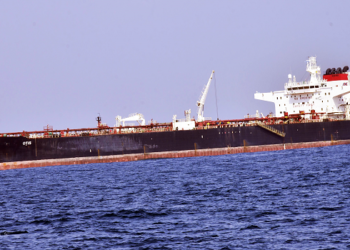
Nigerian crude oil prices are on track for a significant weekly gain despite a brief dip following the announcement of a 30-day sanction waiver on Russian crude stuck on tankers, as the Trump administration seeks to ease an increasingly serious-looking supply tightening.
Bonny Light has risen above the psychological $100 per barrel threshold due to a volatile mix of supply disruptions and geopolitical tension.
There is a high level of volatility in the pricing of Nigerian crude oil, which is measured against Brent, a major oil crude.
MoreStories
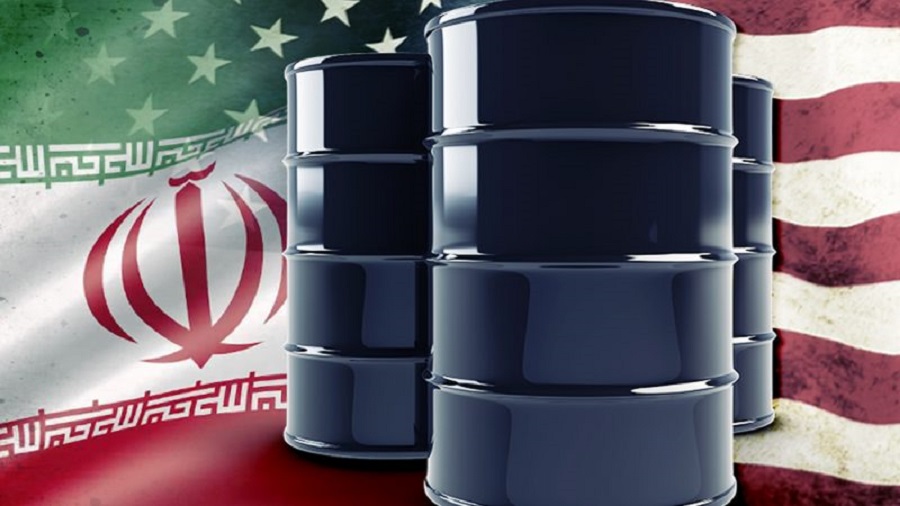
Pricing has stabilized at $100 a barrel at this current moment. The global crude oil market is still bullish amid geopolitical uncertainty, which is moving into a consolidation phase following several high overbought prices.
The main cause of the Strait of Hormuz crisis is the ongoing Middle East conflict involving the United States, Iran, and Israel. An enormous risk premium has resulted from Iran’s decision to mine and block the Strait of Hormuz, a chokepoint for 20% of the world’s oil supply.
Nigeria, however, faces a sharp fall in revenues amid production shortfalls: Nigeria’s domestic crude output fell to 1.31 million barrels per day in February, short of the 1.5 million barrels per day set by OPEC .
High prices increase revenue per barrel, but the nation’s capacity to fully benefit from the “windfall” is constrained by the lower volume.
United States, Israel, and Iran amplifies crude oil market volatility
Brent crude was trading at $101 per barrel at the time of writing, and West Texas Intermediate was trading at $95, both slightly down from Thursday’s close but higher than at the start of the week.
- Washington’s sanction waiver follows an admission by the International Energy Agency that the war in the Middle East is creating the largest supply disruption in the history of the global oil market.
- The admission about the severity of the supply situation was accompanied by the announcement that the IEA will release a total of 400 million barrels of crude to cushion the oil shortage impact on the global economy. This is the highest volume of emergency oil releases in history.
The United States said it would contribute 172 million barrels of that total, reversing an earlier position that said it had no plans to tap the strategic petroleum reserve to fill any global supply gaps.
- Some market participants are worried about this reversal since the SPR is at a historic low in reserves, raising questions about future oil demand once the crisis subsides, and storage needs to be refilled.
However, the United States, Israel, and Iran remain engaged in conflict, with no indication that the fighting will end soon, so even large emergency releases haven’t reassured traders.
ICE Brent futures have already broken $100 per barrel and are supported today despite efforts to calm the markets with the Russian oil waiver and the unprecedented release of emergency stockpiles.
More insights
The market views this as a temporary fix that doesn’t address the core supply issues. The crude intermonth spreads for upcoming months to show ongoing tightness in supply as the conflict nears two weeks.
Both the US and Iran are maintaining defiant tones. This suggests that attempts to regulate oil prices and energy markets are unlikely to succeed at this point.
US President Donald Trump said that preventing Iran from acquiring nuclear weapons and threatening the Middle East is “of far greater interest and importance to me” than the price of oil, in a social media post on Thursday. On Truth Social late Thursday, he also told Iran to “watch what happens” today.
Iran’s new supreme leader, Mojtaba Khamenei, has stated that the country will work to keep the Strait of Hormuz essentially closed.
He added that Tehran will attempt to open new fronts in the conflict if the US and Israel continue their attacks, in his first public comments since stepping into his father’s role.